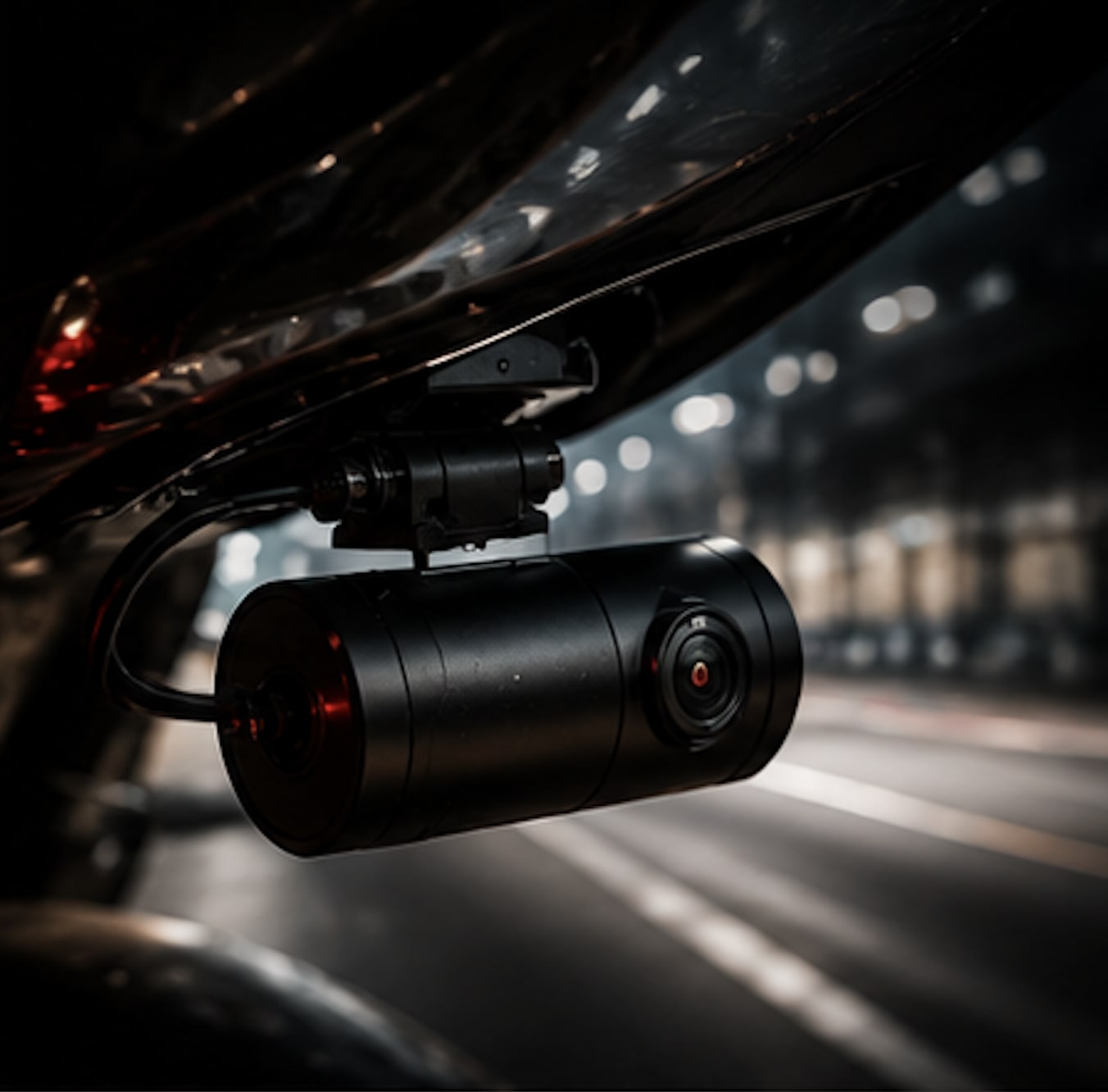
Why I Installed a Camera
After witnessing a few close calls on the road and hearing stories from fellow riders who got into disputes with no evidence to back them up, I decided it was time. A camera doesn't prevent accidents — but it protects you when the unexpected happens. Evidence is everything.
The Install Process
Where to Buy
// Shopping Links
Parts & Tools Required
// Bill of Materials
- Front + rear action cameras (or dedicated bike cam unit)
- RAM mount or aluminium handlebar clamp
- Mini USB/hardwire kit with low-profile fuse tap
- Zip ties, heat shrink tubing, electrical tape
- Micro SD cards (high endurance, Class 10 minimum)
Real World Notes
The install took about 3 hours, most of which was routing the cables neatly through the fairings. The result looks clean and the camera boots up the moment you turn the key. Loop recording means you never have to manually manage footage — and if something happens, the file is there waiting.
Total investment: Well worth every dollar. Peace of mind on every ride.
Detailed Field Notes: Camera Install
Mod Classification: Safety / Evidence
[WIRING] The hardest part is routing the wire without cutting fairings. Take time to find existing grommets and cable runs. The fuse box tap is clean — no cutting of factory wires needed.
[MOUNT CHOICE] RAM mounts are pricey but vibration-dampened. Generic clamps work but expect jello footage at higher RPMs. Invest in quality mounts if the camera is a priority.
[REAR CAM] Rear camera angle is critical. Aim too high and you film the sky. Too low and you lose the following traffic. Spend time getting this right before buttoning everything up.
Final Assessment
- Difficulty: 3/5 — Mainly the wiring routing
- Time Required: ~3 hours
- Would Recommend: Absolutely — Day 1 mod